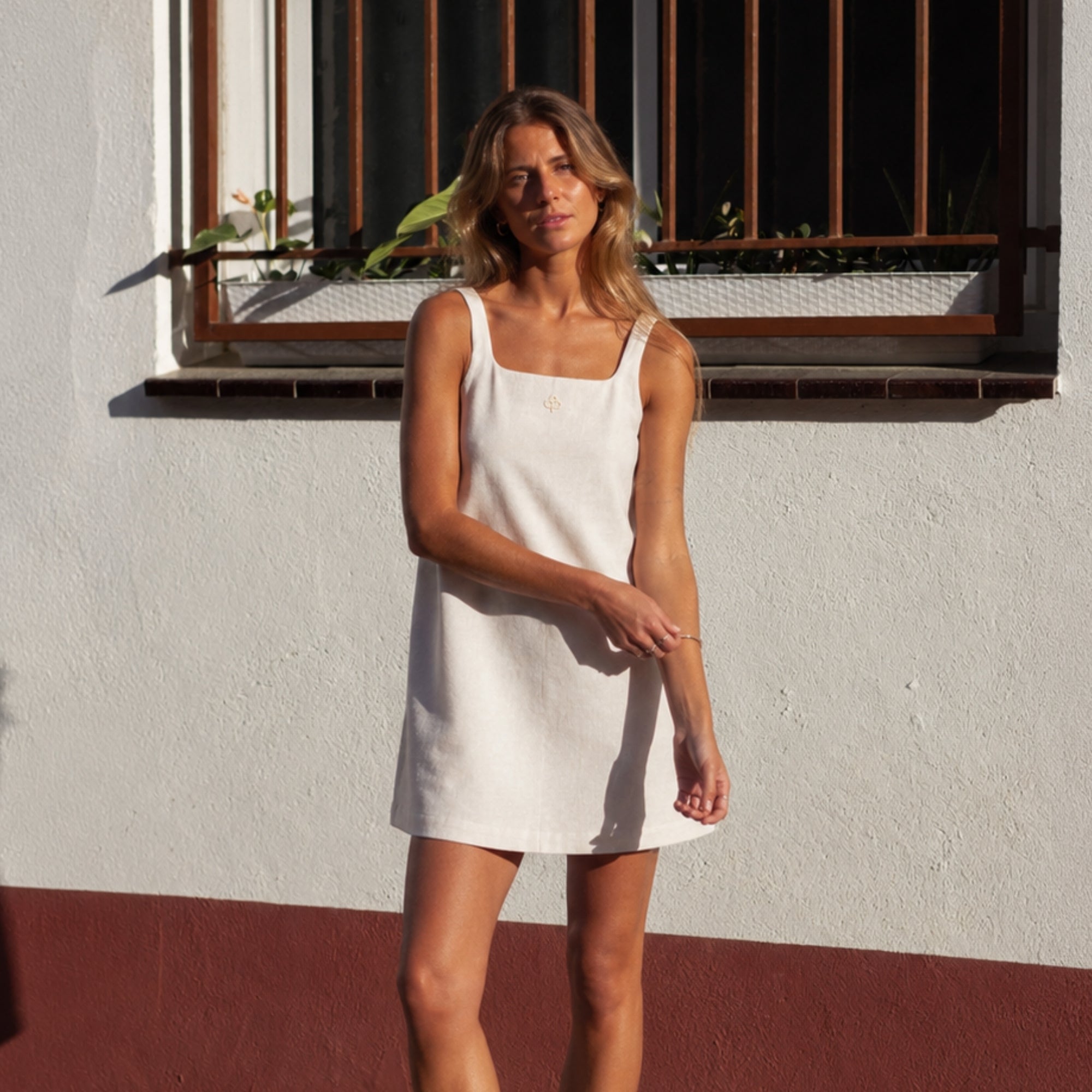
Sustainable Fashion FAQs, Answered by Pamuuc

Nachhaltige Mode bedeutet für jeden Menschen etwas anderes, und hier beginnt die Verwirrung. Wir bei Pamuuc glauben, dass es hilfreich ist, konkret zu sein. Diese FAQ beantwortet die Fragen, die wir am häufigsten hören, von Greenwashing-Erkennungen über Stoffzertifizierungen bis hin zu den Gründen, warum wir unsere Produktionspartner ausgewählt haben. Kein Marketing-Spin. Genau das, worauf es wirklich ankommt.
Was bedeutet eigentlich nachhaltige Mode?
Nachhaltige Mode ist Kleidung, die entworfen, hergestellt und vertrieben wird, um den Schaden für Mensch und Umwelt so gering wie möglich zu halten. Dazu gehören die Wahl des Stoffes (Bio-Baumwolle vs. konventionell), die Produktionsmethoden (faire Löhne, sichere Bedingungen, Wasserverbrauch), die Versandentfernung und die Haltbarkeit, also wie lange das Stück hält, bevor Sie es wegwerfen.
Der Haken: Keine einzelne Metrik erfasst all dies. Ein Kleidungsstück aus recyceltem Kunststoff kann immer noch aggressive Farbstoffe enthalten. Ein vor Ort unter schlechten Arbeitsbedingungen hergestelltes Stück ist nicht automatisch nachhaltig. Echte Nachhaltigkeit erfordert Transparenz darüber Wo Dinge passieren, WHO macht sie, und Was Materialien kommen in sie hinein. Aus diesem Grund nennen wir neben den Zertifizierungen, die für unsere Stoffe gelten, auch unsere Partner, darunter Sompunt in L'Espluga Calba für Strickwaren und Werkstätten für Schnitt und Nähen im Raum Barcelona.
Was ist Greenwashing und wie erkennt man es?
Beim Greenwashing wird einem Produkt „öko“, „natürlich“ oder „nachhaltig“ aufgedrückt, ohne es zu belegen. Eine Marke könnte etwas als „umweltfreundlich“ bezeichnen, weil es aus Baumwolle hergestellt ist, während sie die Wasser-, Chemikalien- und Arbeitskosten hinter dem Stoff außer Acht lässt. Oder sie propagieren eine vage Aussage zur „ethischen Produktion“ ohne Angaben zur Lieferkette.
Warnsignale: keine spezifischen Fabriknamen oder Standorte, keine Zertifizierungen Dritter, bei denen eine Zertifizierung beansprucht wird, Schlagworte wie „bewusst“ oder „verantwortungsvoll“ ohne Beweise und Behauptungen zur CO2-Neutralität ohne Methodik. Wenn eine Marke es Ihnen nicht sagen kann Wo etwas wird gemacht oder WHO Wenn die Materialien zertifiziert sind, fragen Sie vor dem Kauf immer wieder nach.
Bei Pamuuc versuchen wir, die Beweise sichtbar zu machen. Wir nennen die Produktion in der Nähe von Barcelona. Wir geben an, welche Stoffe über eine europäische Flachs- oder OEKO-TEX-Zertifizierung verfügen, sofern diese Zertifizierungen gelten. Wir erklären, wie Vorbestellung die spekulative Produktion reduziert. Es geht nicht darum, grüner zu klingen. Es geht darum, den Anspruch nachvollziehbar zu machen.
Was bedeutet OEKO-TEX-zertifiziert?
OEKO-TEX Standard 100 ist eine Zertifizierung Dritter, die fertige Textilien auf Schadstoffe, Schwermetalle, Formaldehyd, eingeschränkte Azofarbstoffe und Pestizide prüft. Es ist eines der ältesten und strengsten Textiletiketten der Welt. Ein Stoff mit OEKO-TEX-Zertifizierung wurde von unabhängigen Labors getestet und erfüllt bei der Herstellung strenge Grenzwerte für Chemikalien, die Ihre Haut reizen oder das Wasser verschmutzen könnten.
Es handelt sich nicht um ein Nachhaltigkeitslabel im landwirtschaftlichen Sinne; Es garantiert weder Bio-Baumwolle noch faire Löhne. Es überprüft die chemische Sicherheit anhand der Norm für das getestete Textil. Für uns ist es ein wichtiger Datenpunkt. Wenn ein Stoff, eine Farbcharge oder ein fertiges Textil über eine OEKO-TEX-Zertifizierung verfügt, sagen wir dies ausdrücklich und behandeln es nicht als pauschalen Markenversprechen.
Was bedeutet europäischer Flachs zertifiziert?
Europäischer Flachs ist eine Zertifizierung, die bestätigt, dass Leinen aus Flachs stammt, der in Europa angebaut wird, normalerweise in Frankreich, Belgien oder den Niederlanden. Das System verfolgt die Faser vom Samen bis zum gesponnenen Garn und stellt Anforderungen an die Rückverfolgbarkeit, den Verzicht auf GVO-Saatgut, den Anbau auf Niederschlagsbasis und die Einhaltung europäischer Agrarvorschriften.
Warum es wichtig ist: Flachs ist im Vergleich zu herkömmlicher Baumwolle bereits eine Nutzpflanze mit geringerer Umweltbelastung. Im richtigen Klima benötigt es wenig Bewässerung und nutzt mehr Pflanzenteile. Europäischer Flachs fügt eine Dokumentation hinzu, sodass die Fasergeschichte nicht beim Wort „natürlich“ endet. Wenn wir in unseren Baumwoll- und Leinenmischungen europäisches Flachsleinen verwenden, entscheiden wir uns schon bei der Faser für Qualitätskontrolle und Umweltfreundlichkeit.
Wie reduziert eine Vorbestellung die Überproduktion?
Der traditionelle Einzelhandel basiert auf Vermutungen. Eine Marke stellt 500 Teile eines Kleides in sechs Größen und zwei Farben her und hofft, dass sich genug davon verkaufen lassen. Geschäfte verkaufen nicht die Hälfte davon. Nicht verkaufte Bestände landen im Nachhinein, werden vernichtet oder landen auf Mülldeponien. Wasser-, Arbeits- und Materialverschwendung.
Vorbestellung macht das anders. Sie bestellen die gewünschten Teile, bevor wir sie herstellen. Wir sammeln Bestellungen über ein Zeitfenster von Montag bis Sonntag, das jeden Sonntag um 23:59 Uhr schließt, und produzieren dann die bestätigte wöchentliche Charge. Dadurch wird das Raten, das zu Überbeständen führt, erheblich reduziert. Für uns bedeutet das mehr Arbeit, weil kleinere Chargen mehr pro Einheit kosten, aber so halten wir die Produktion näher an der tatsächlichen Nachfrage.
Der Kompromiss ist Zeit. Sie warten etwa 12 Tage auf den Versand. Das ist der ehrliche Preis dafür, nicht zu viel zu machen.
Warum verwendet Pamuuc Baumwolle und Leinen zusammen?
Baumwoll- und Leinenmischungen sind eine gute Wahl. Baumwolle ist weich, atmungsaktiv und stabil, die Faser, die Sie kennen. Leinen (aus Flachs) ist stärker, trocknet schneller und wird beim Waschen besser. Zusammen sorgen sie für ein Gleichgewicht zwischen Komfort, Haltbarkeit und Pflege.
Reines Leinen knittert stark und muss sorgfältig gewaschen werden. Reine Baumwolle kann pillen und fühlt sich im Sommer schwerer an. Eine Baumwoll-Leinen-Mischung verleiht Ihnen die Struktur und Haltbarkeit von Leinen mit der Vertrautheit und Weichheit von Baumwolle. Außerdem können wir dadurch europäisches Flachsleinen beziehen (verifiziert, geprüft, rückverfolgbar), ohne auf Komfort oder Tragbarkeit zu verzichten.
Ist Leinen ein gutes Material für Sommerkleidung?
Ja. Leinen ist einer der coolsten Stoffe, die man tragen kann. Es leitet die Wärme schneller von der Haut ab als Baumwolle, trocknet schneller und ist angenehm atmungsaktiv. Der Nachteil, die sichtbaren Falten, wird oft als Makel angepriesen. Das ist es nicht. Leinen knittert, weil es sich mit Ihrem Körper bewegt. Diese Lockerheit ist der Grund, warum es sich cooler anfühlt.
Unsere Baumwoll- und Leinenstücke schaffen ein Gleichgewicht: die Atmungsaktivität von Leinen mit weniger Faltenbildung als reines Leinen und mehr Struktur als reine Baumwolle. Für die Sommer in Barcelona (und darüber hinaus) ist es zuverlässig.
Warum ist lokale Produktion wichtig?
Lokale Produktion bedeutet kürzere Lieferketten, geringere Transportemissionen, einfachere Verantwortlichkeit und die Möglichkeit, echte Beziehungen zu Herstellern aufzubauen. Wenn wir mit Sompunt und den Werkstätten in Lleida und im Raum Barcelona zusammenarbeiten, besuchen wir sie. Wir wissen, wer zuschneidet, wer näht und unter welchen Bedingungen sie arbeiten. Wir verlassen uns nicht nur auf die Prüfungen Dritter; wir sind anwesend.
Es bedeutet auch eine schnellere Iteration. Wenn eine Naht angepasst werden muss oder die Passform nicht stimmt, können wir das schnell beheben. Die Rückkopplungsschleifen sind eng. Die Qualität bleibt konstant. Die Produktion im Raum Barcelona behält auch einen größeren wirtschaftlichen Wert in Europa, wo die Arbeitsnormen klarer und leichter zu überprüfen sind.
Lokal bedeutet nicht perfekt oder frei von Ausbeutung, jede Produktion ist mit Risiken verbunden. Aber es verringert die Distanz zwischen uns und den Menschen, die Ihre Kleidung herstellen. Es ist schwieriger, sich hinter dieser Sichtbarkeit zu verstecken.
Kostet verantwortungsbewusster hergestellte Kleidung immer mehr?
Nicht immer, aber normalerweise. Hier ist der Grund: Vorbestellung plus kleine Chargen bedeuten höhere Arbeits- und Einrichtungskosten pro Einheit. Zertifizierte Stoffe kosten mehr als herkömmliche Stoffe. Faire Löhne und transparente Prüfungen erhöhen den Mehraufwand. Es gibt keine Skaleneffekte, die die Margen auffüllen.
Eine Fast-Fashion-Marke, die 50.000 Einheiten auf einmal herstellt, sorgt dafür, dass die Kosten niedrig sind. Eine kleine Vorbestellungsmenge kann beim Preis nicht konkurrieren, ohne Abstriche bei Löhnen, Materialien oder Bedingungen zu machen.
Verantwortungsbewusster hergestellte Kleidung sollte auch langlebig sein. Ein gut verarbeitetes Kleidungsstück aus Baumwolle und Leinen kann ein dünnes Fast-Fashion-Hemd um Jahre übertreffen. Die Kosten pro Abnutzung erzählen die wahre Geschichte. Wenn man etwas 100 statt 10 Mal trägt, sinkt der Preis pro Tragen stark. Haltbarkeit ist eine eigene Form der Nachhaltigkeit.
Wie lange dauert eine Pamuuc-Vorbestellung?
Unser Vorbestellungsphase läuft jede Woche von Montag bis Sonntag, mit einem Sonntagsschluss um 23:59 Uhr. Danach bestellen wir Stoffe, schneiden und nähen sie dann. Der Versand erfolgt etwa 12 Tage nach Fensterschluss. Von der Bestellung bis zu Ihrer Tür hängt es von Ihrem Standort ab, Sie können jedoch mit einer Zeitspanne von 2 bis 3 Wochen vom Check-out bis zum Eintreffen des Artikels rechnen.
Es ist nicht augenblicklich. Dieses Warten ist Teil des Modells: Wir führen keine großen spekulativen Lagerbestände, und Ihre Bestellung erfolgt für die wöchentliche Charge und nicht aus einem Lager mit Überbeständen. Sehen Sie, wie unsere Vorbestellung funktioniert für genaue Zeitpläne und Versandoptionen.
Ist nachhaltige Mode immer Slow Fashion?
Nicht per Definition, aber sie überschneiden sich oft. Bei Slow Fashion stehen Qualität, Transparenz und Haltbarkeit über der Geschwindigkeit. Nachhaltige Mode zielt darauf ab, Umwelt- und Sozialschäden zu reduzieren. Mit nicht nachhaltigen Materialien kann es zu einer langsamen Produktion kommen. Sie können eine schnelle Produktion gut gefertigter Teile erreichen. Aber die ehrliche Version: Abstriche bei der Zeit zu machen bedeutet normalerweise, Abstriche bei der Qualität oder den Bedingungen zu machen.
Pamuuc hat sich für den langsamen Weg entschieden, weil wir so jeden Schritt kontrollieren können. Wir können unsere Partner benennen. Wir können zertifizierte Stoffe verwenden. Wir können für angemessene Löhne und sichere Bedingungen sorgen. Die Geschwindigkeit würde uns das in diesem Maßstab nicht erlauben.
Wie sollte ich Baumwoll- und Leinenkleidung pflegen?
Baumwolle und Leinen sind pflegeleicht. In kaltem Wasser (30 °C oder niedriger) im Schonwaschgang waschen. Verwenden Sie ein mildes Reinigungsmittel. Vermeiden Sie Bleichmittel. Leinen wird beim Waschen weicher. Scheuen Sie sich also nicht davor, es regelmäßig zu tragen und zu waschen. Wenn möglich an der Luft trocknen; Hitze verkürzt die Lebensdauer der Fasern. Leichte Fältchen sind normal. Wenn Sie bügeln müssen, verwenden Sie mittlere Hitze, während der Stoff feucht ist.
Mit der Zeit entwickeln Baumwoll- und Leinenstücke Charakter. Sie werden weicher, verblassen sanft und zeigen die Lebensdauer des Kleidungsstücks. Bei einer einfachen Pflege ist ein Pamuuc-Stück darauf ausgelegt, jahrelang und nicht monatelang getragen zu werden.
Wie transparent ist Pamuuc in Bezug auf seine Lieferkette?
Wir benennen unsere Produktionspartner. Wir legen Stoffzertifizierungen fest. Wir erklären unser Vorbestellungsmodell und warum es es gibt. Wir sind ehrlich, wenn es um Einschränkungen geht, keine Lieferkette ist perfekt und wir lernen immer noch, wo wir uns verbessern können.
Wir haben gebaut unsere Transparenzseite um zu teilen, was wir wissen und woran wir noch arbeiten. Wenn Sie detailliertere Informationen wünschen oder Fragen zu einem bestimmten Stück haben, können Sie sich direkt an uns wenden. Transparenz ist kein einzelner Bericht, den wir einreichen und dann vergessen. Es ist fortlaufend und eine Reaktion auf Ihre Fragen.
Wenn Sie tiefer in unser Denken eintauchen möchten, das Tagebuch behandelt Stoffauswahl, Produktionsentscheidungen und was wir lernen, während wir wachsen.
Vergleichen Sie für ein konkretes Beispiel die Stoff- und Pflegehinweise auf der Leinenhemd mit den umfassenderen Beschaffungsdetails auf unserer Transparenzseite. Der Punkt ist derselbe: Jede Behauptung sollte auf etwas Bestimmtes zurückführen.